The fable of colours
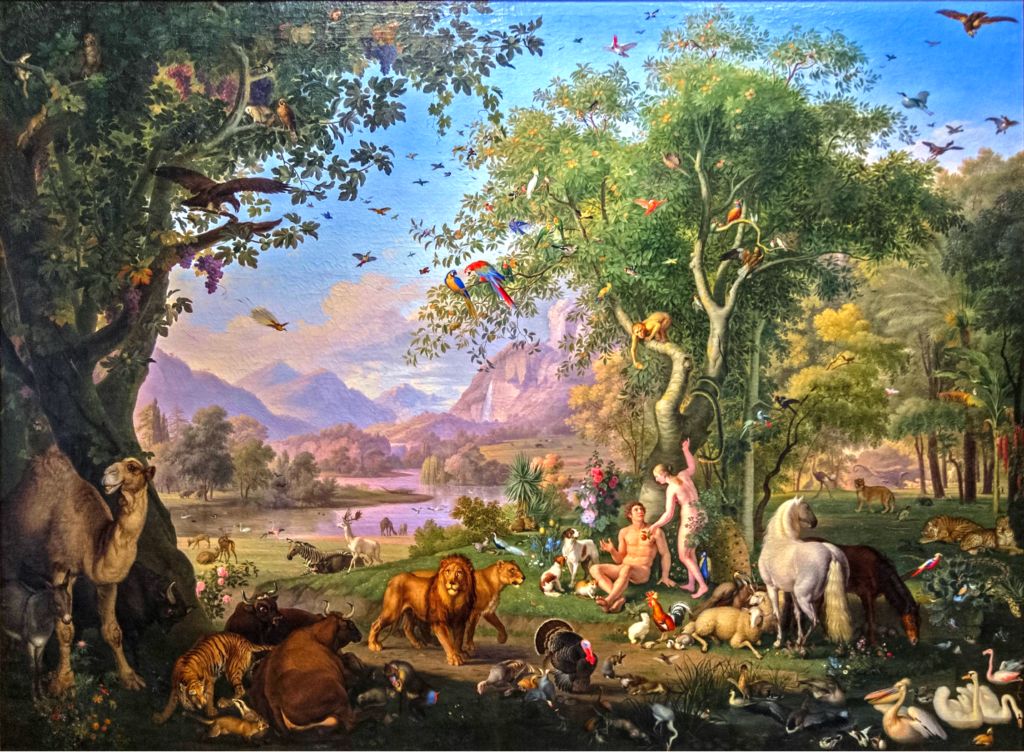
Let us suppose that a colour or set of colours expresses each being: human beings, living beings, beings in general… An infinite number of colours, therefore, for an infinite number of beings.
In this case, here is what we would expect the chromatics to highlight:
– that every colour or set (every being) is necessary for the rainbow and the universe;
– the possible harmony of each set;
– how each (colour, being, set) can be strengthened by the others.
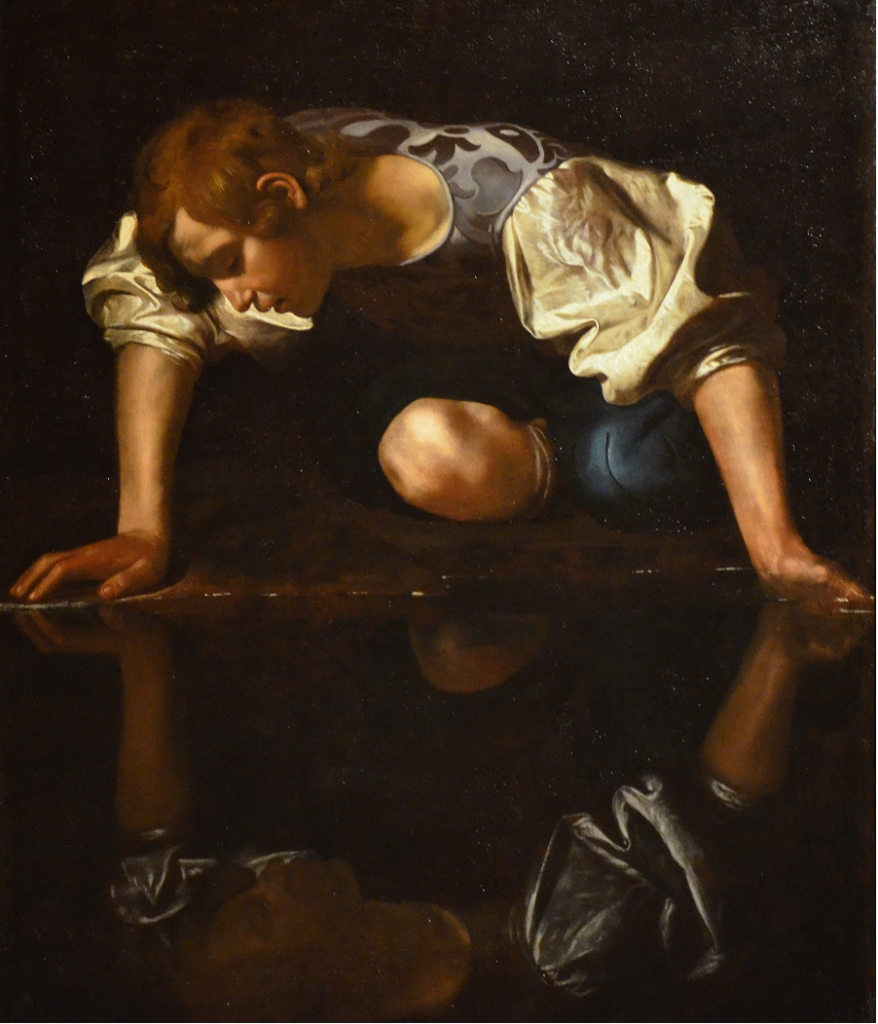
For all of us who so often fall into withdrawal – like Narcissus – and poor relationships with others, this poetry of colour, an elementary and universal language, an experience both theoretical and practical, this chromatics is undoubtedly useful. For while self-knowledge is a necessary condition for the good of each individual, it is certainly not sufficient: warmth, comfort, love, happiness, only others (fellow human beings and other beings in nature, in all their complementary differences), can offer us these things, like a grace… It is therefore up to each of us to get to know them all, in good understanding!