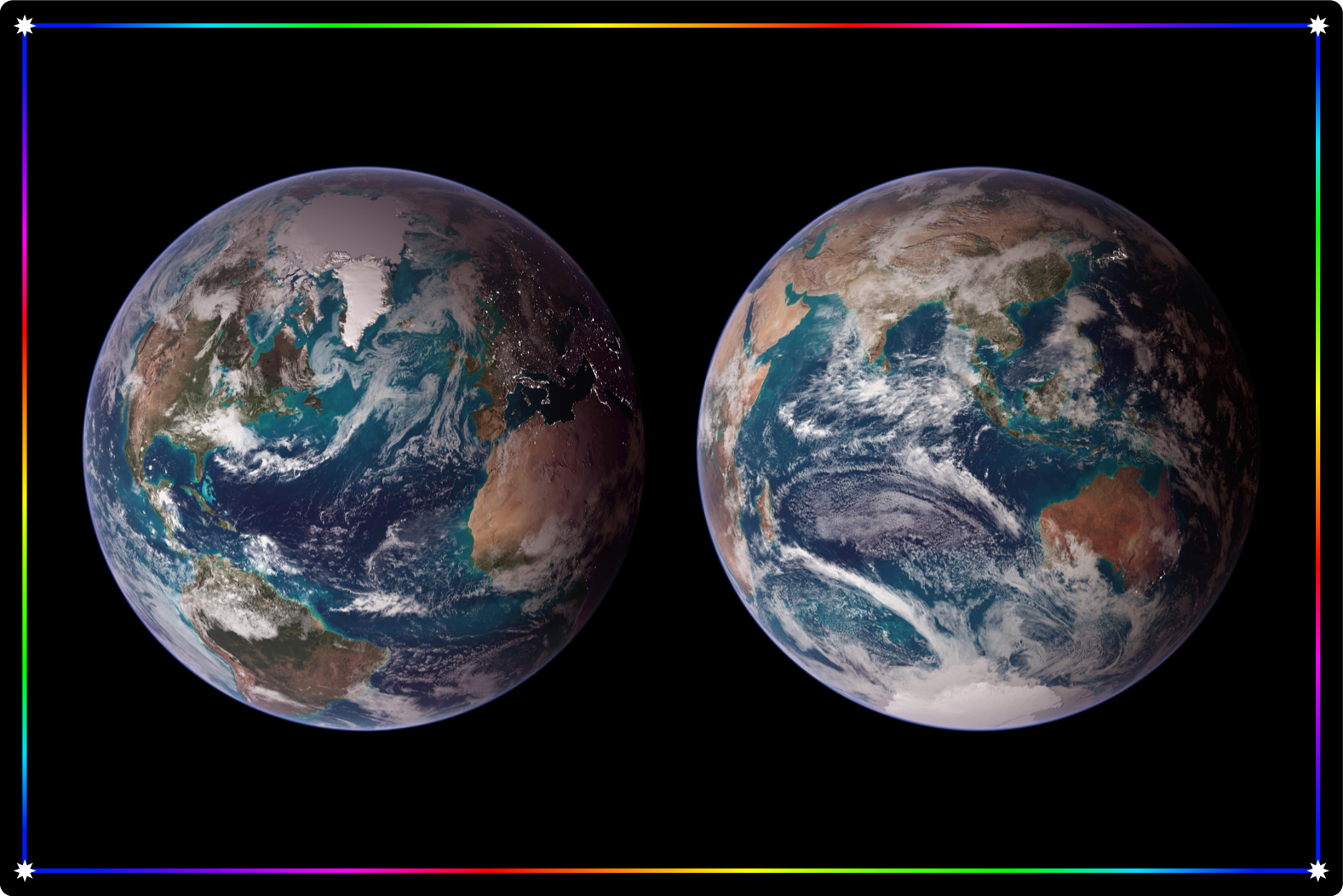
Arts, sciences and harmony
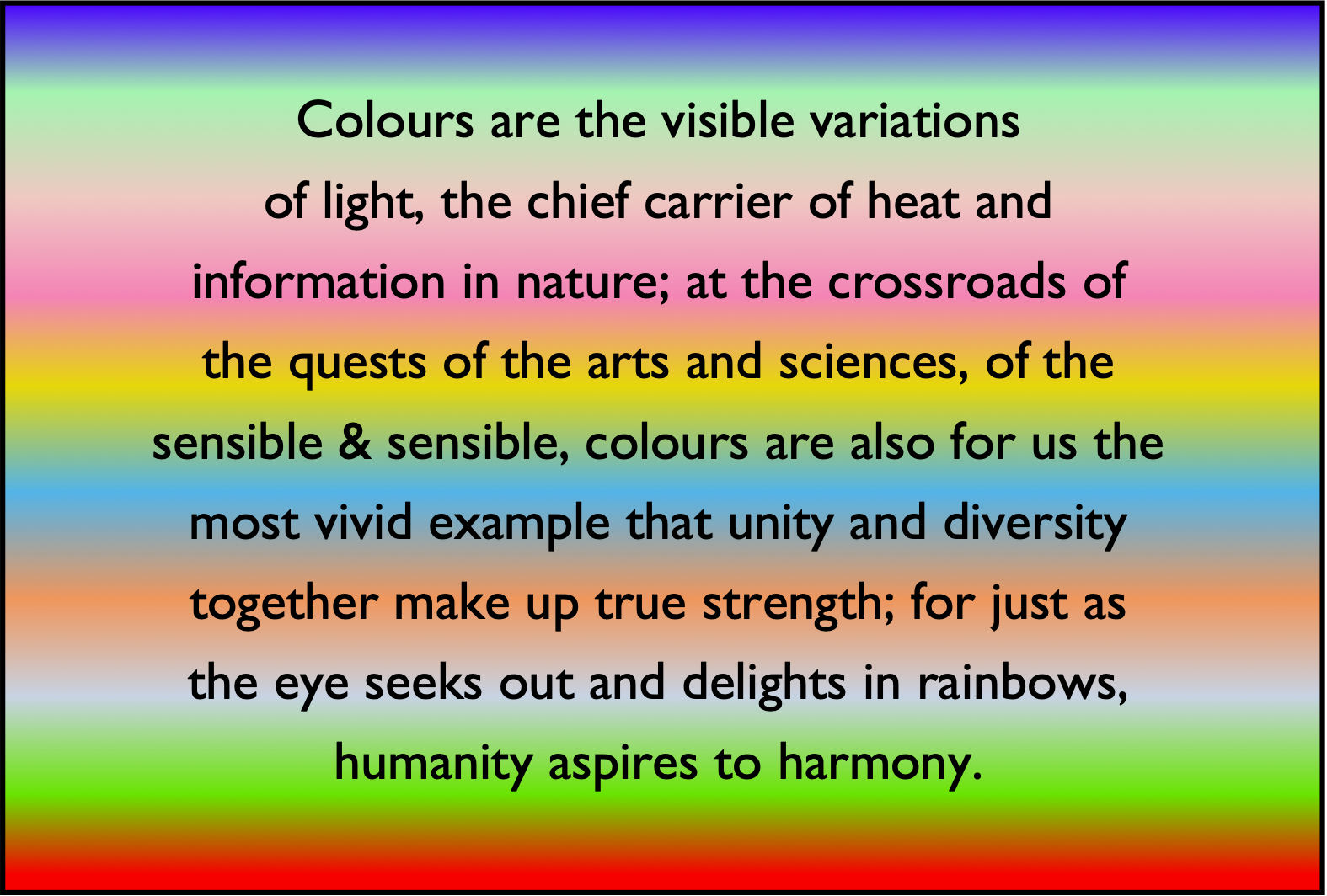
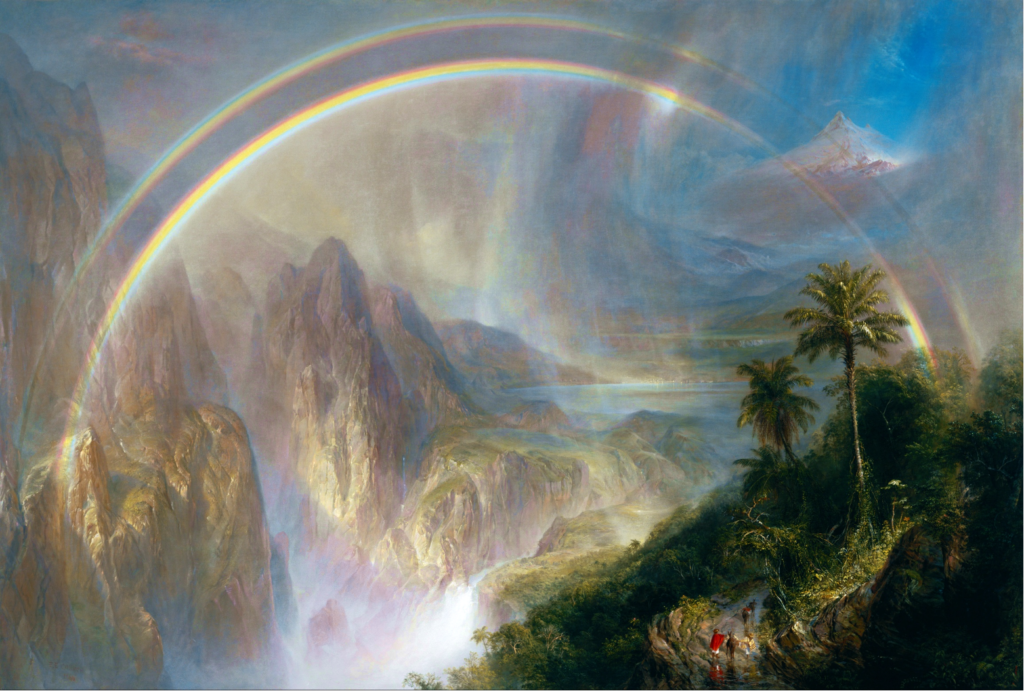
Book of Genesis, 9: 12-13“And God said: ‘This is the sign of the covenant I am making between me and you and every living creature with you, a covenant for all generations to come. I have set my rainbow in the clouds, and it will be the sign of the covenant between me and the earth.’”
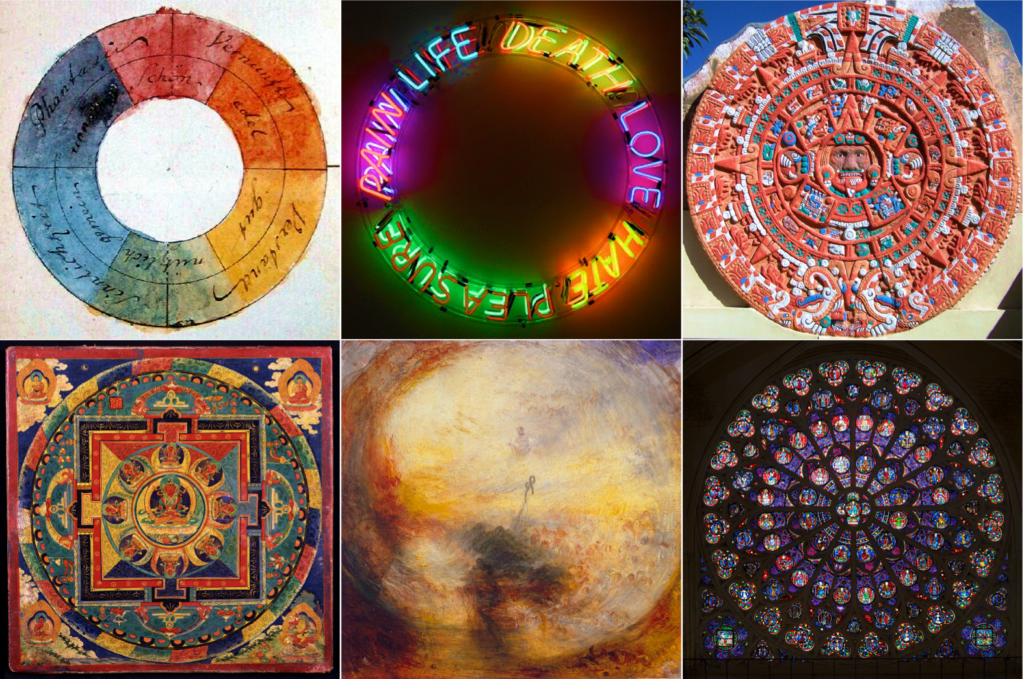
Light and Colour (Goethe’s Theory) – The Morning after the Deluge – Moses Writing the Book of Genesis by J.M.W. Turner, South Rose of Notre-Dame de Paris
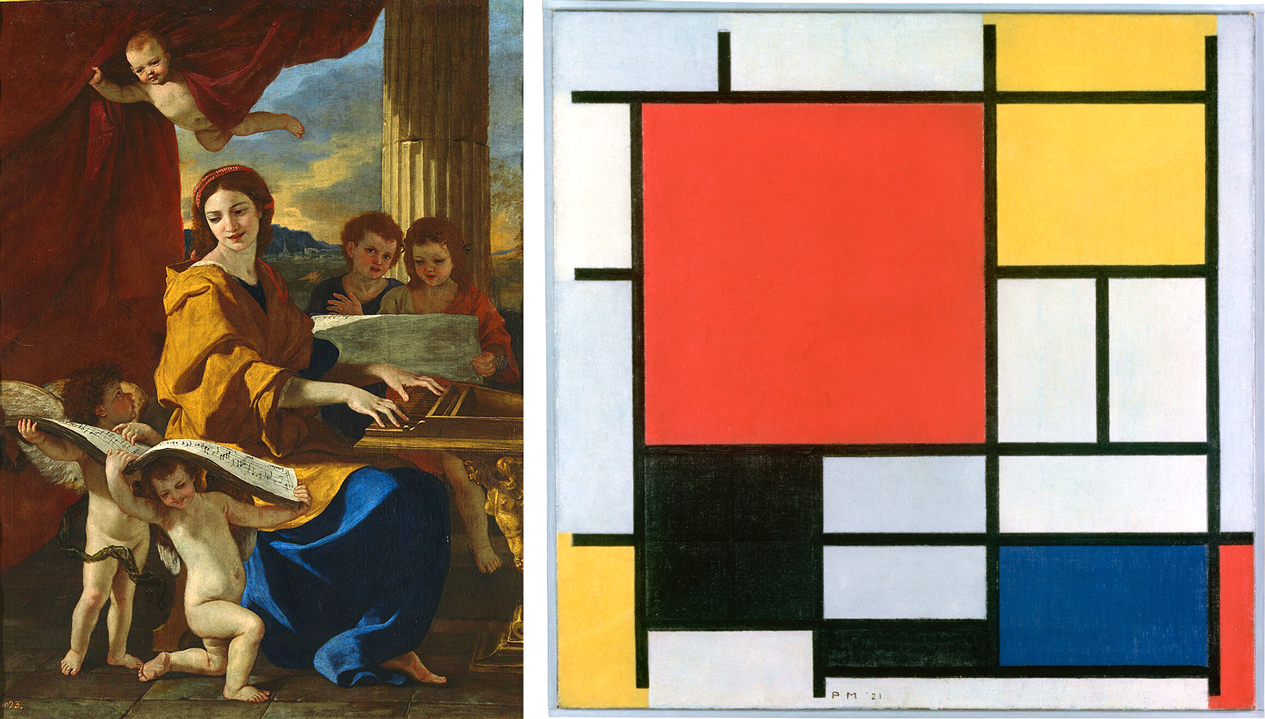
Nicolas Poussin, Saint Cecilia (c. 1635) and Piet Mondrian, Composition with Large Red Plane, Yellow, Black, Grey and Blue (1921)
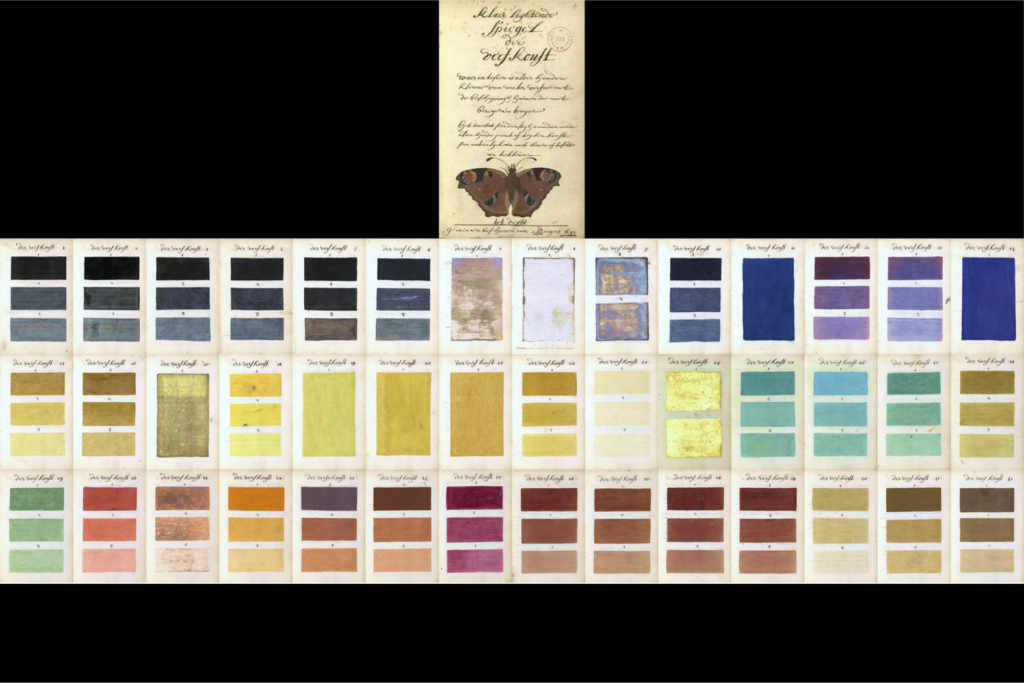
Colour like a
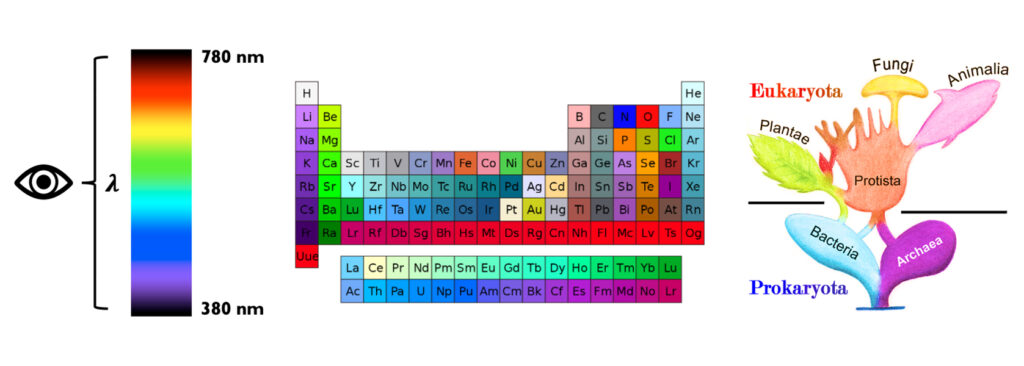
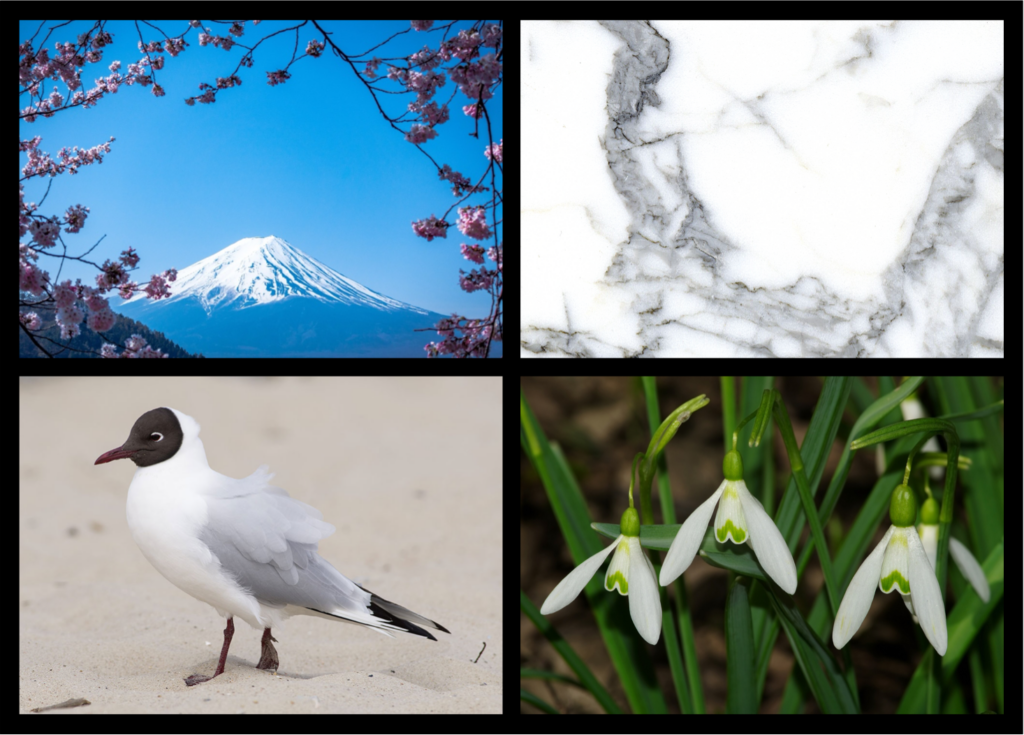
mirror of nature
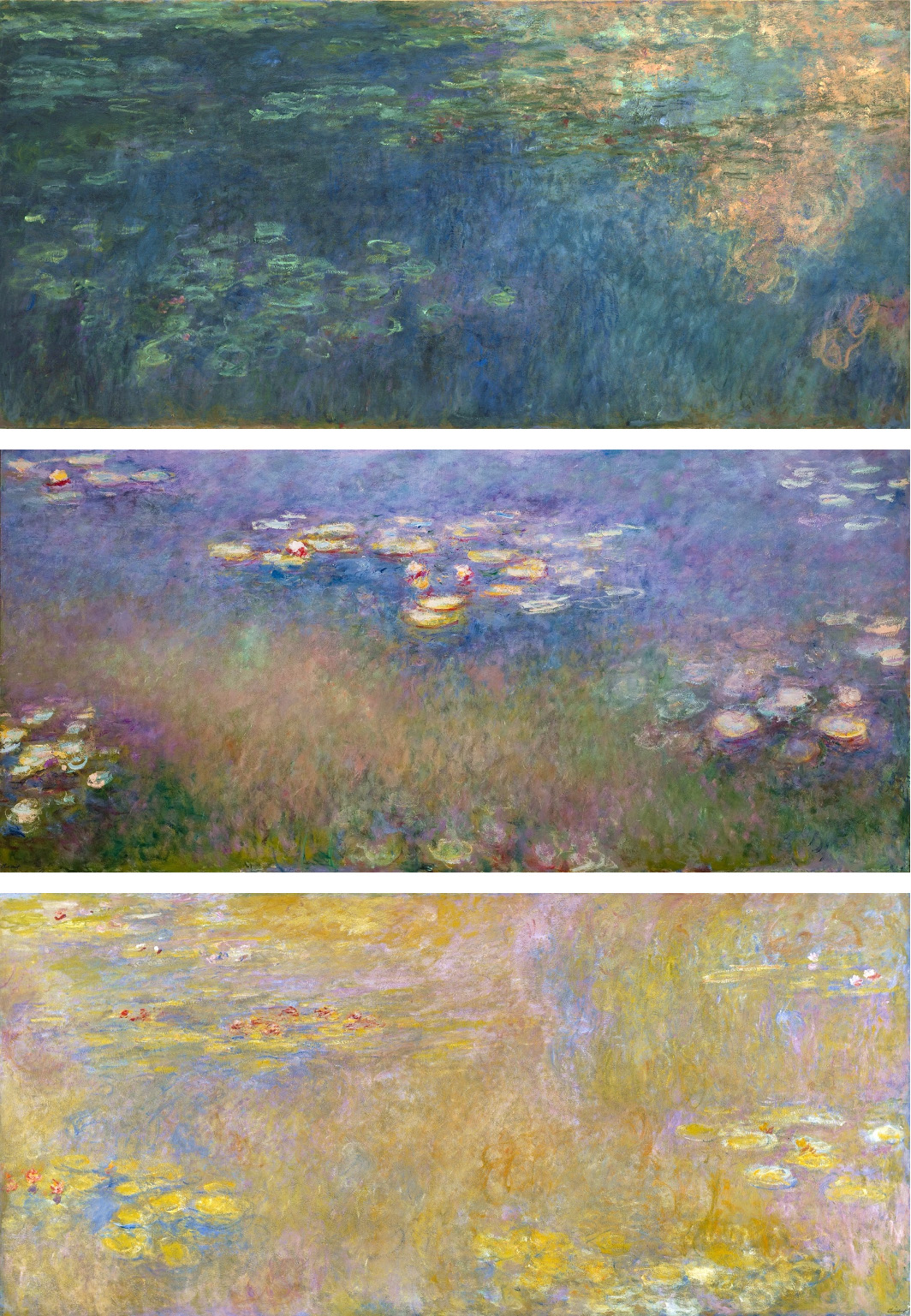
Claude Monet“I have no other wish than to become more intimately blended with nature, and I desire no other destiny than to have, according to Goethe’s precept, worked and lived in harmony with its laws.”
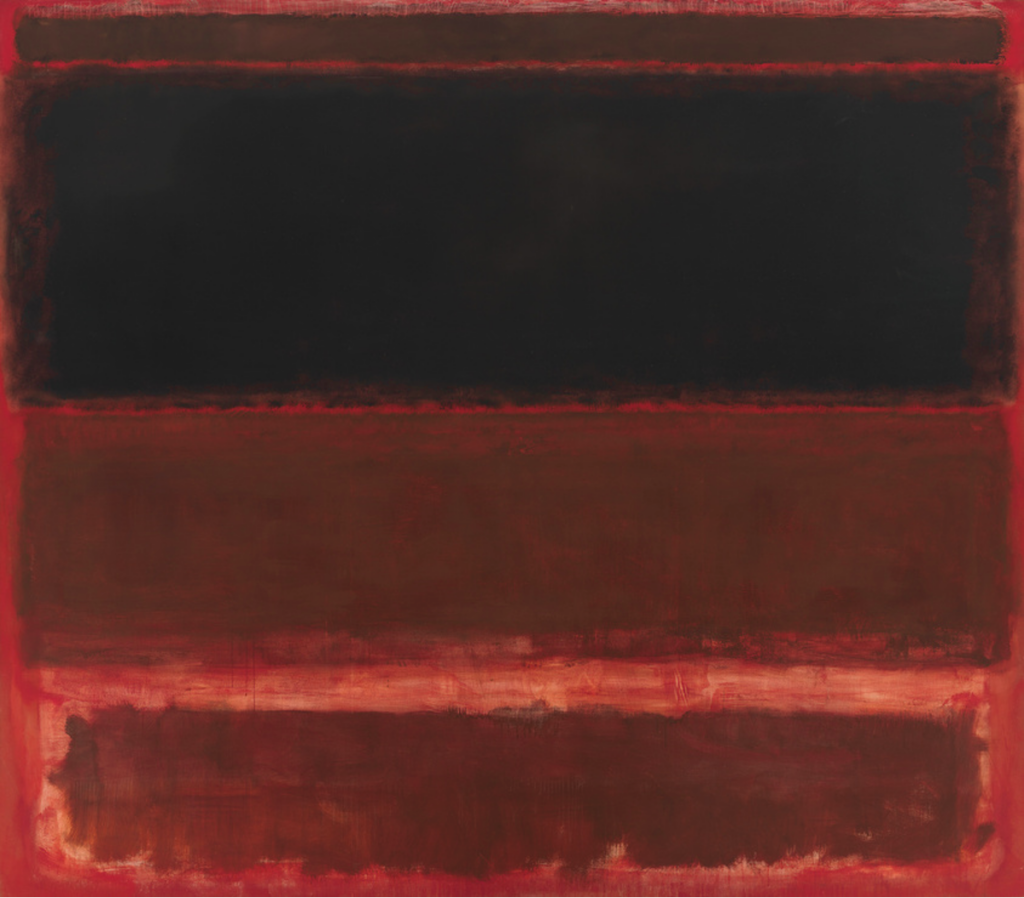
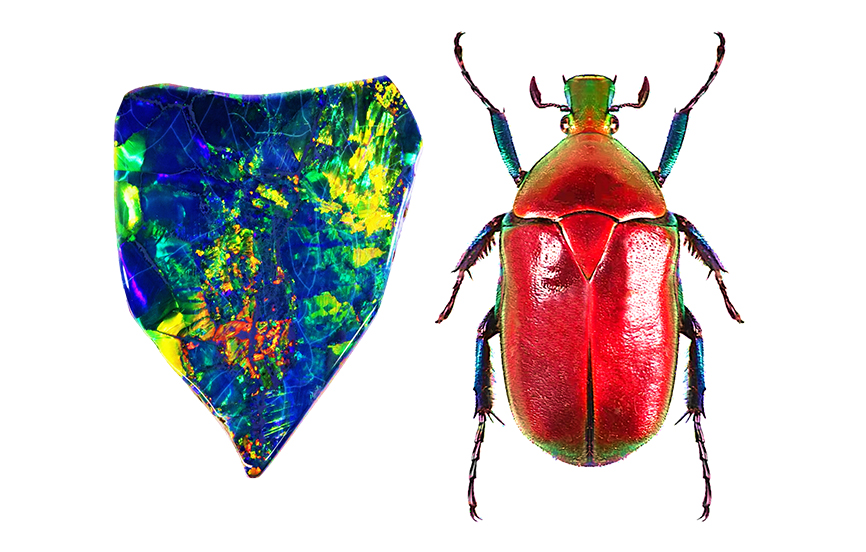
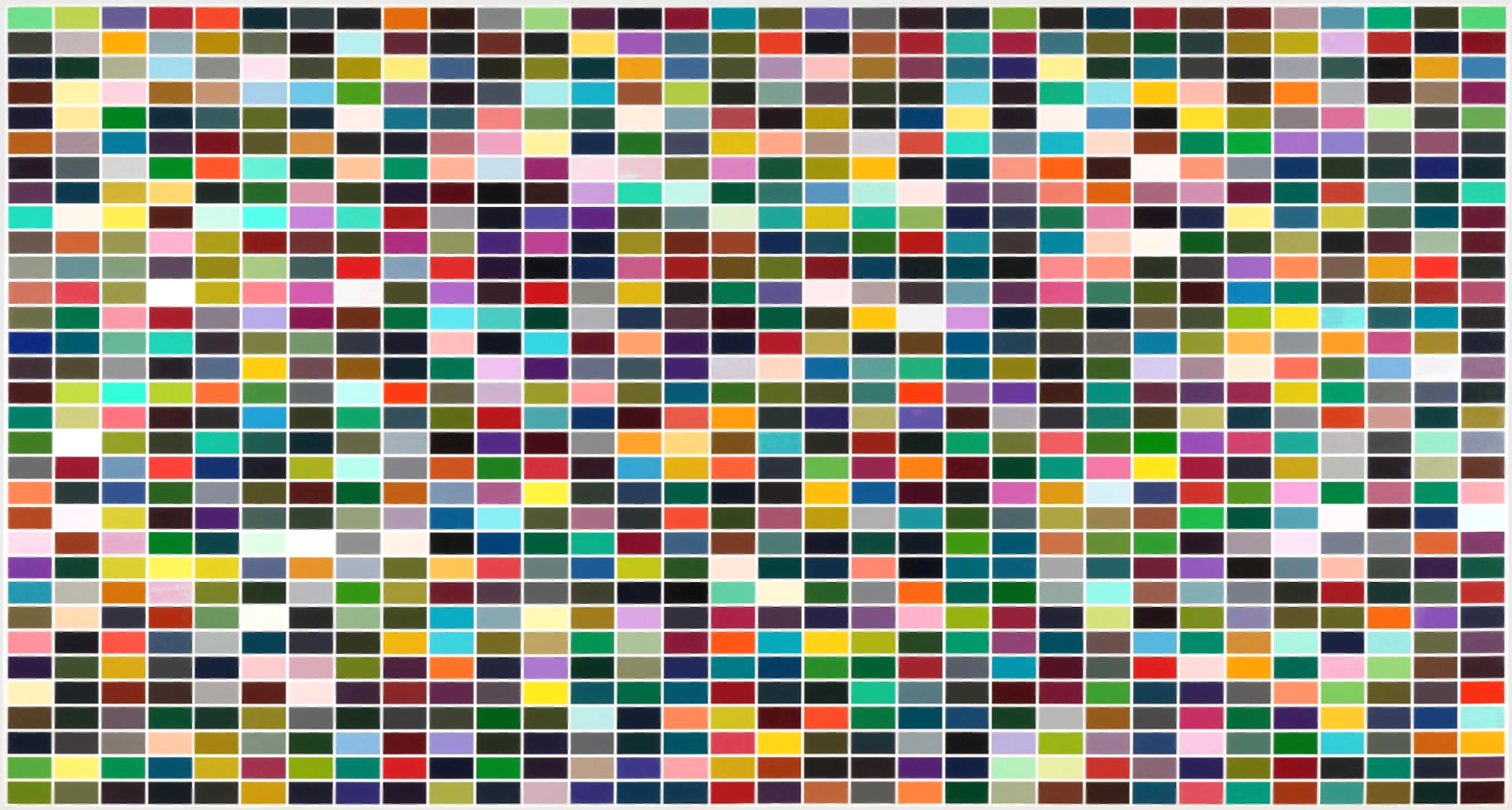
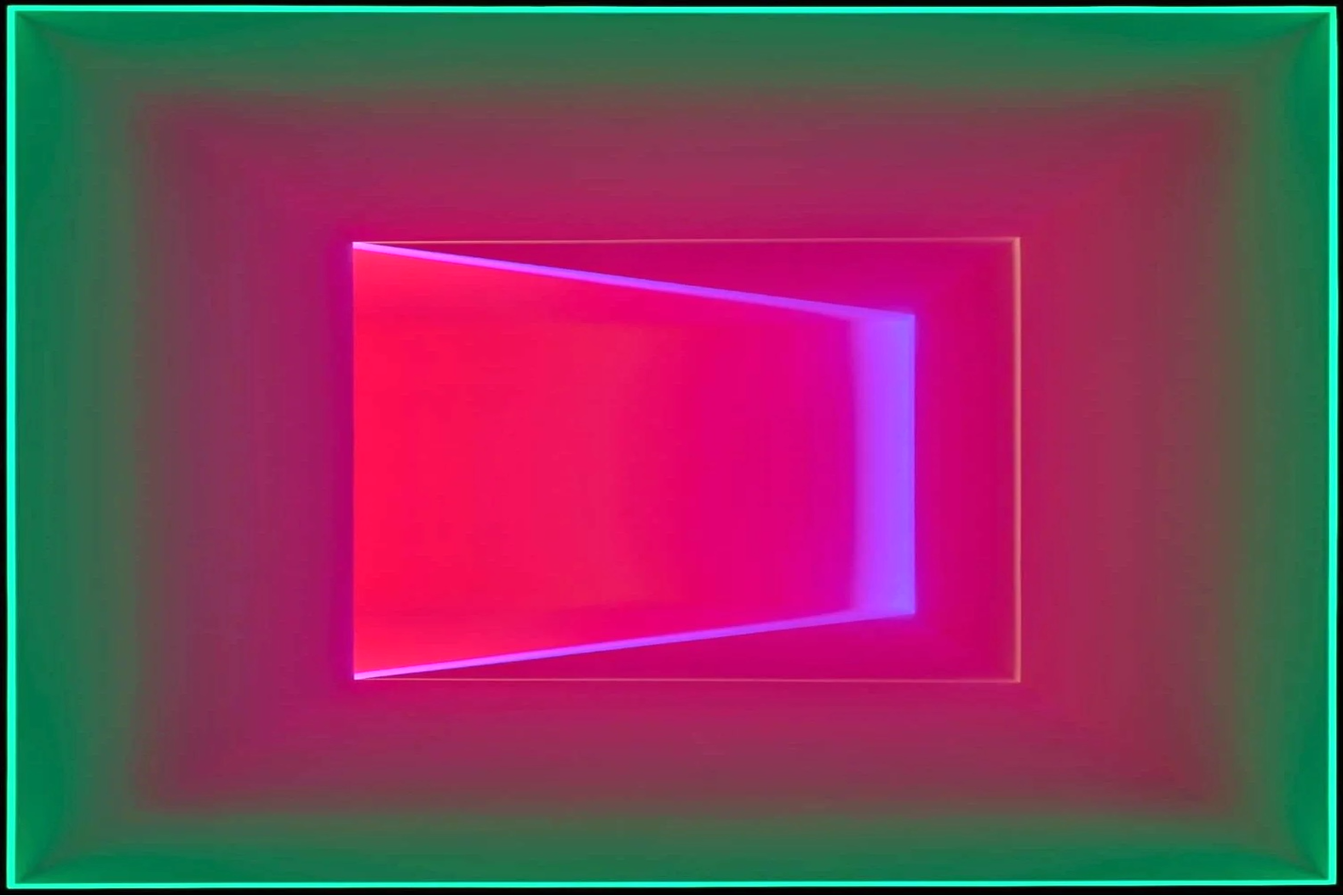
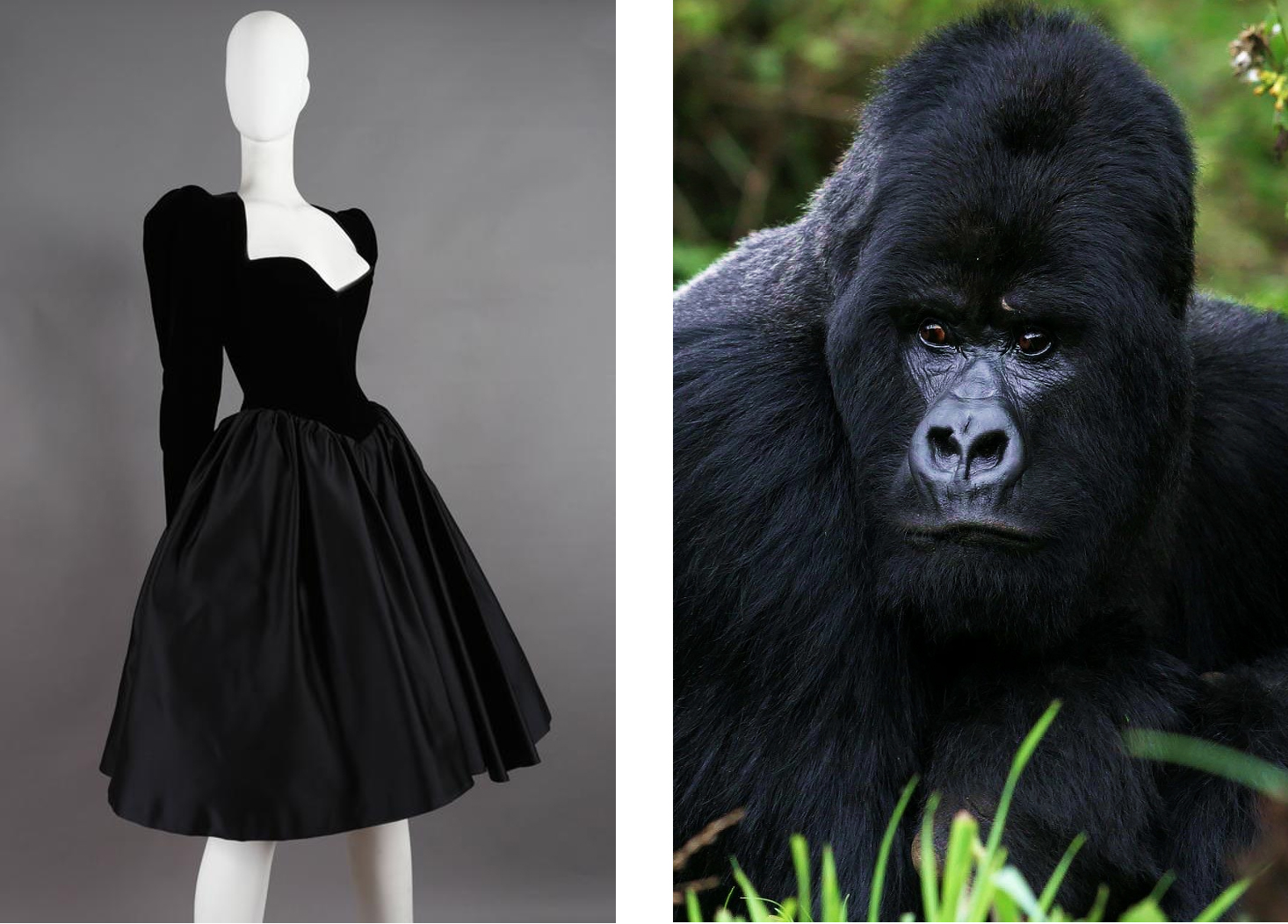
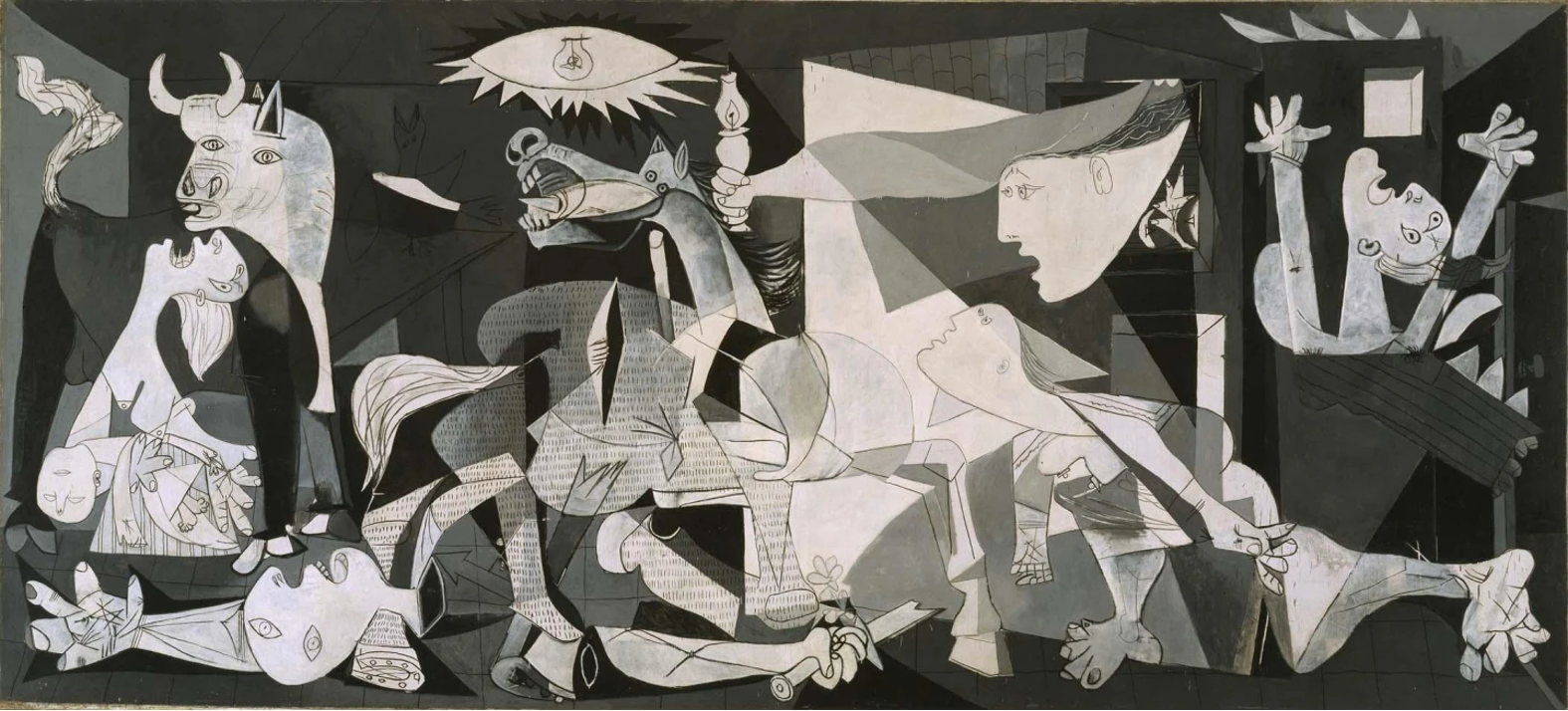
As for the spirit of the Grand Nuancier, perhaps we should, in order to depict it well, reverse Michel Leiris’s so accurate description of Pablo Picasso’s masterpiece Guernica in 1937 : “There is no point in searching for words to try to describe this summary of our disaster […] In a black and white rectangle, like the ancient tragedy that appears before us, Picasso sends us his letter of mourning: everything we love will die.”. Since the aim here is precisely to explore, in a global context surely no less dramatic, in an infinite number of coloured rectangles, the entire colour spectrum between black and white (inclusive), as a sign of peace, hope and life.
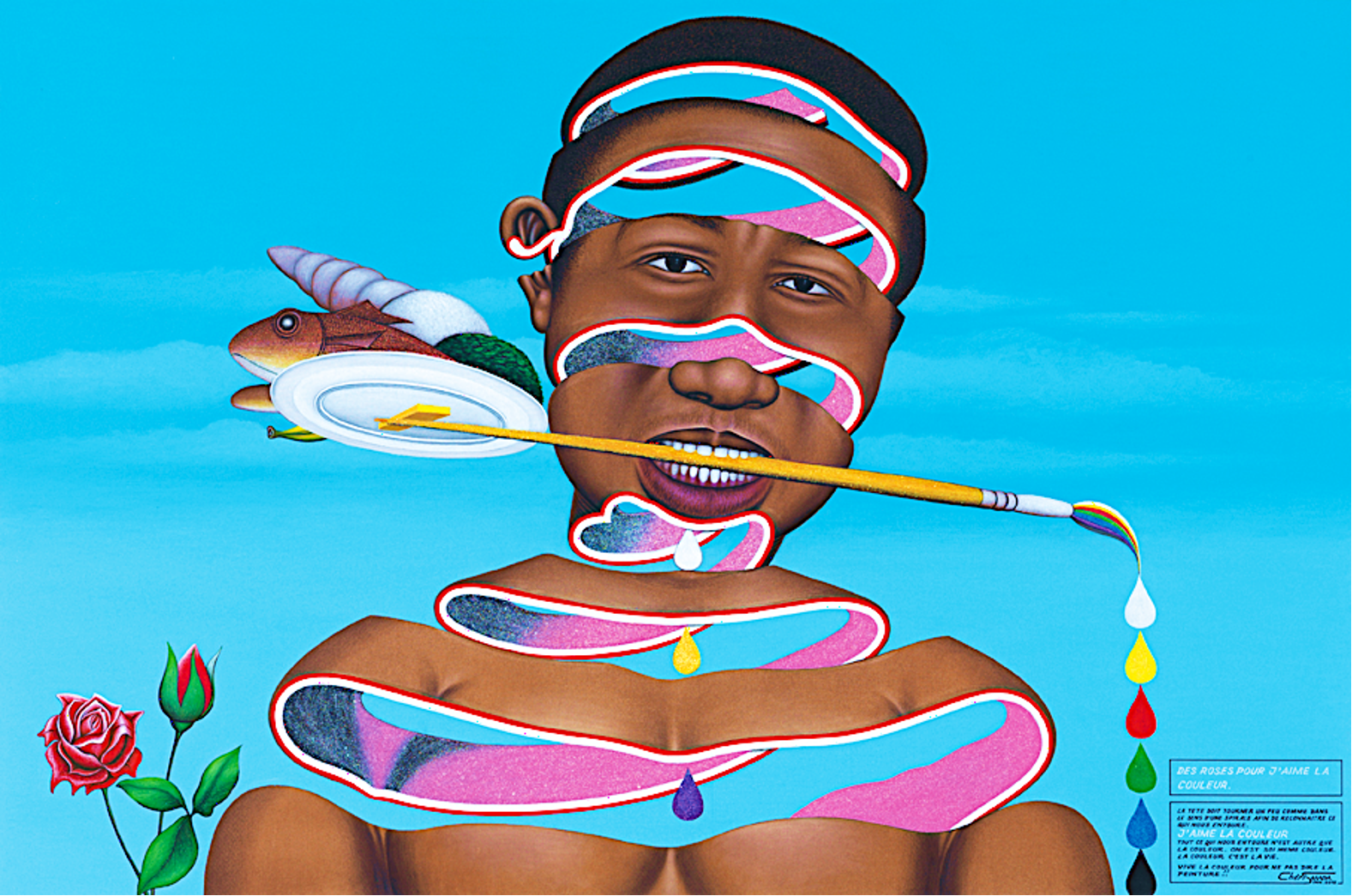
Chéri Samba“Colour is life, everything around us, everything we experience. Everyone is colour, everyone has a colour. I painted a picture called I Love Colour, my way of fighting racism. As a child, I heard things that I still cannot understand: that some people have colours and others don’t… It’s beyond comprehension! We need to rethink the concept of colour. That’s my fight.”
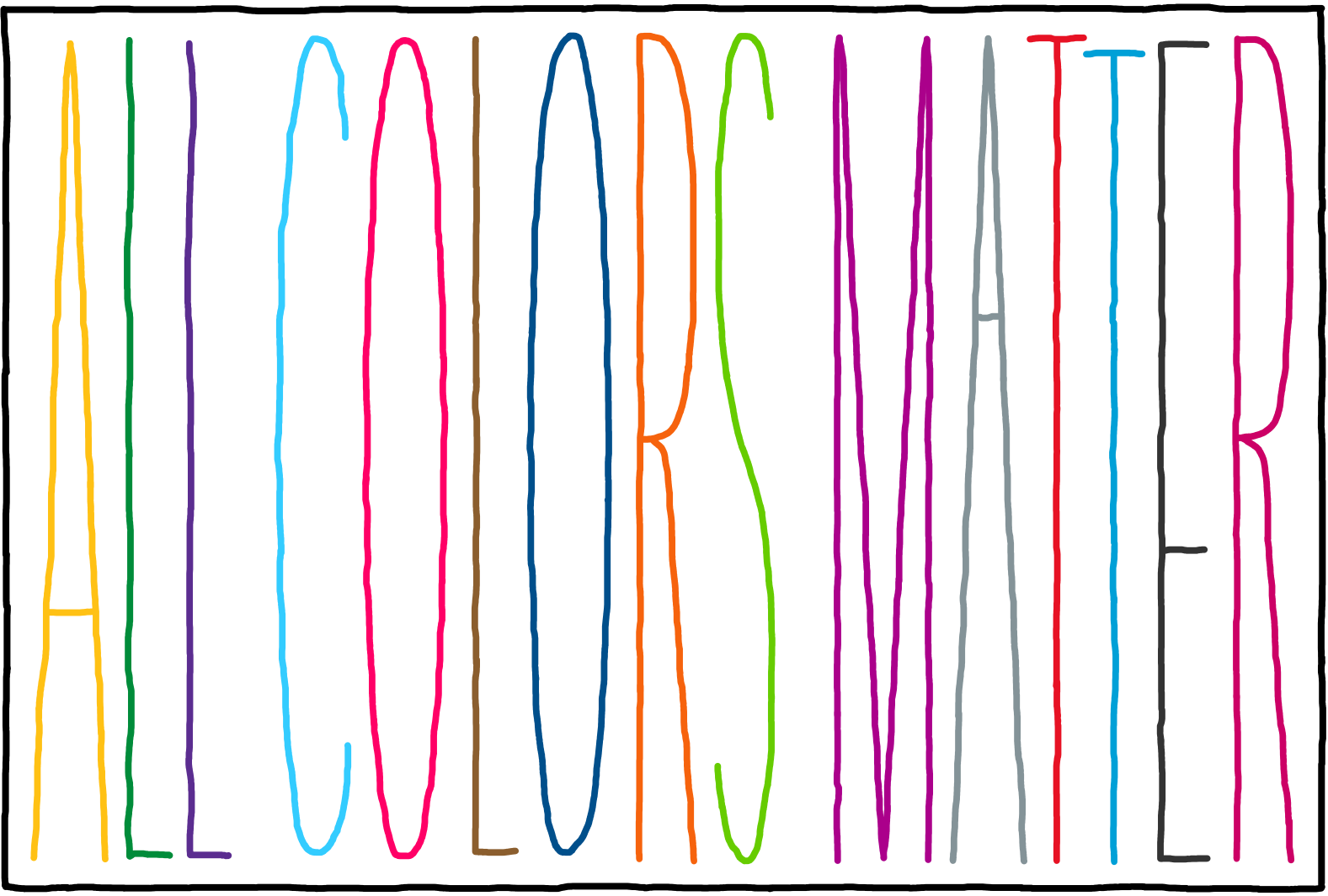
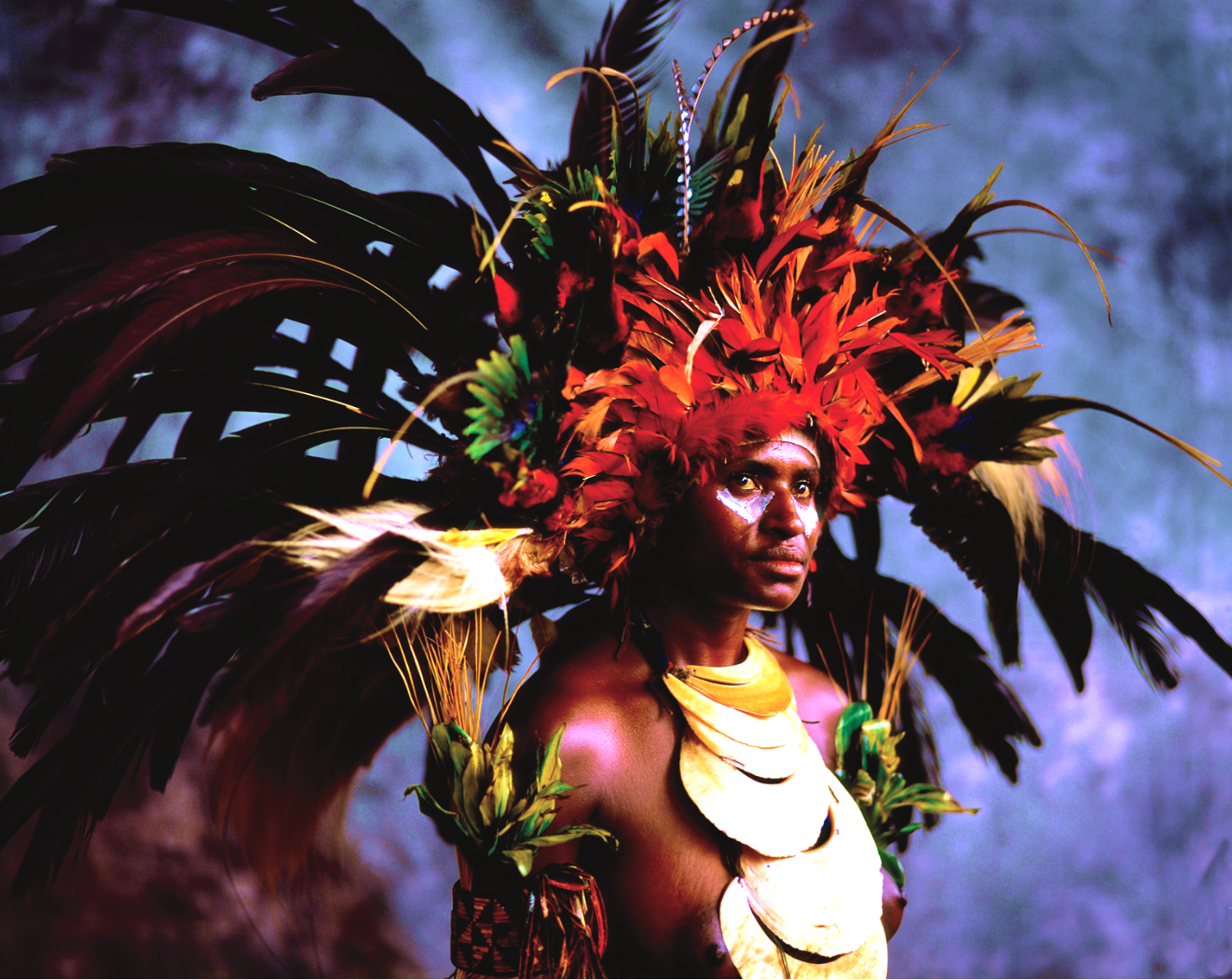
The Grand Nuancier
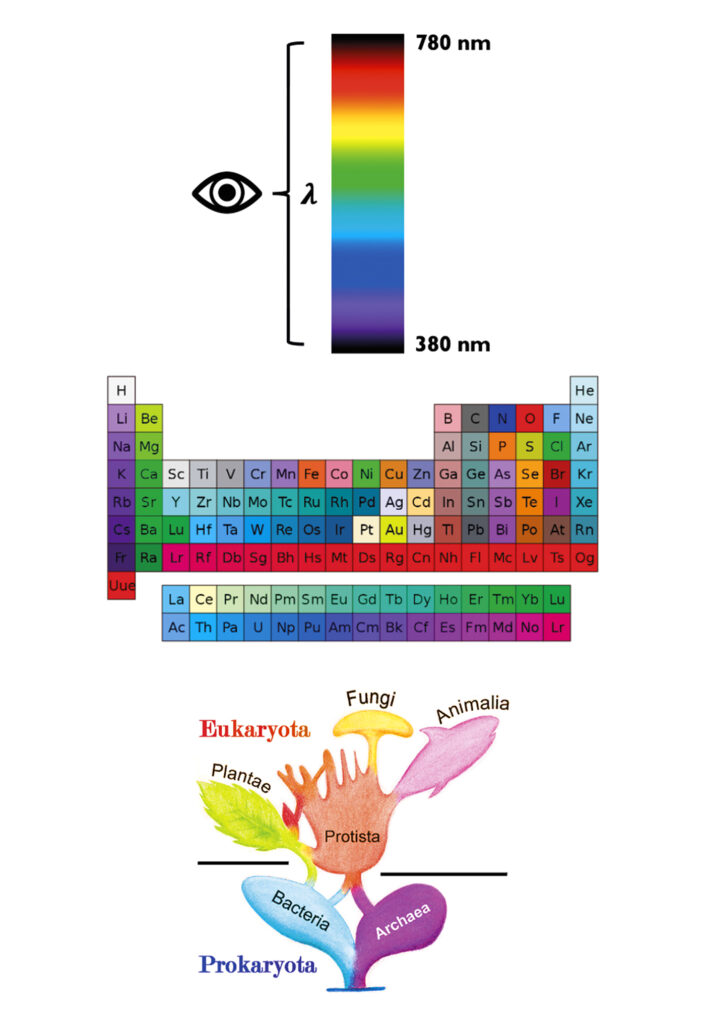
as an allegory (of nature)
promoter of cooperation
Leviticus, 19 :18“Thou shall love your neighbour as yourself”
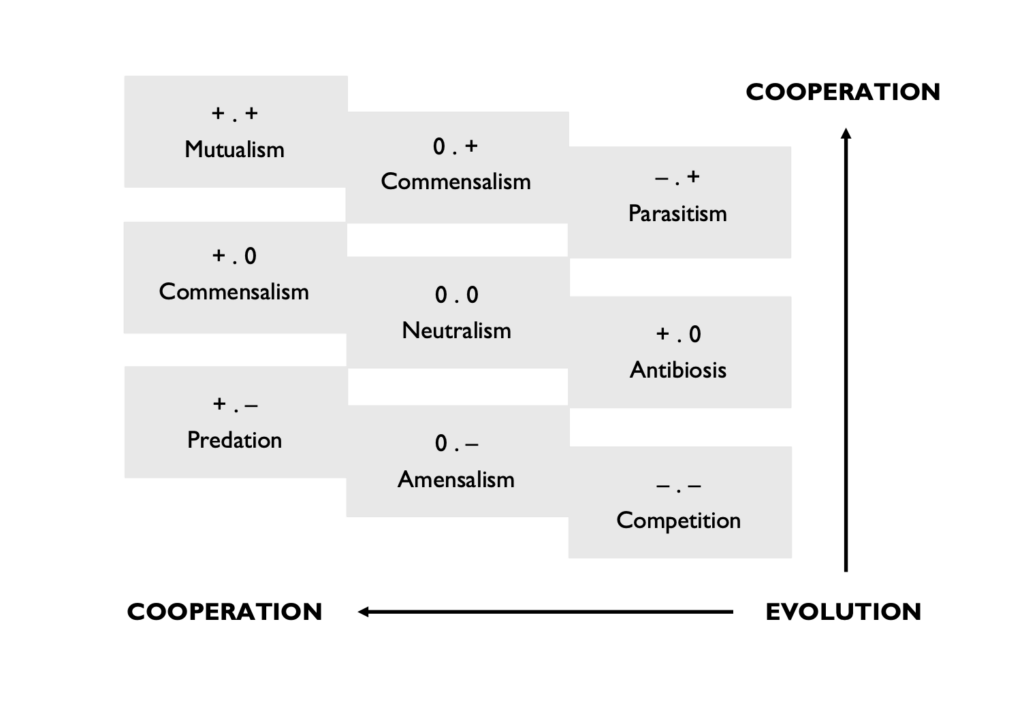
The cooperative paradigm:
“The preferability of cooperative strategies in an universal competitive energy context”
The theoretical foundation
• Space and matter being one and same thing which is existence itself, nature consists of an infinite (spatially) continuum of bodies ; each one of these, at each moment, possessing energy that it distributes by acting on itself and its environment (through the exercise of some pressure and massive action), resulting (at that moment) in heat, movement and all the dynamic properties (mass, kinetic energy, etc.) of bodies; the universe, as well as all the bodies that constitute it, lasting – by successively composing it – an eternity (a time without beginning or end).
• The power or being quality of a body (at a given moment) is the ratio between its energy (mass + kinetic energy) and its volume. Now, in its interaction with the environment, a body gives and receives energy. There is progress, profit and well-being sensation in a body when its caloric balance is positive, \(Q^+-Q^->0\); regression, waste, ill-being sensation when \(Q^+-Q^-<0\). Nota bene: one shall therefore clearly propose here, as a working hypothesis, power (\(P=\frac{E}{V}\)) as the fundamental axiological criterion, defining for bodies every qualitative value of existence (actions, effects, sensations, passions of bodies at each moment).
• Now, the energy of the universe is invariant and infinite, constituting on the scale of the whole – as well as within any isolated system – a zero-sum game; this is how all bodies and subsystems in the universe always evolve in terms of energy in competitive contexts (whether non-cooperative or cooperative).
• It follows (statistically and probably) from this interplay of actions and passions, which is always fundamentally thermodynamic, for all states of matter, in all natural kingdoms (mineral, plant, animal, etc.), at every scale (omnidirectional) of evolution, it follows that bodies strive, based on their experience, to optimise their profits through strategies that are more or less coordinated, more or less profitable, more or less intelligent; this effort of bodies to maintain and increase their power, one names it conatus.
• By intelligence, one therefore signifies the ability of a body to use its experience to increase or, at least, maintain the efficiency of its actions. By reason, one means the ability of a body to define, for a given context, the tactic with the maximum probability of achieving maximum yield. The greater its intelligence, the closer it will be to reason. Finally, by wisdom, one means not only reason, but also the body’s implementation of the strategy defined by reason.
• Within a system of bodies \(\Sigma\), (mutual) cooperative strategies are defined as those of the benevolent-benevolent/win-win type, at the energy expense of third bodies (\(\not\subset \Sigma\)).
• Wisdom – which is, all-in-one, utilitarian, altruistic and ecological in encouraging cooperation – will consist of a body acting according to the maxi-mini principle: “act on oneself and one’s environment in such a way as to maximise one’s own gains and those of others from whom one would benefit, while minimising one’s own losses and those of others from whom one would not benefit”.
• In reality, it is impossible to define an absolute best strategy for a body; only, relative to each context, a hierarchy of tactics that are more or less effective (probably). Nevertheless, statistically speaking, it will appear:
– that the most cooperative strategies, provided they are reciprocal and proportional, are also the most profitable; that the average power of any body within a system is thus proportional to the cooperation within that system;
– that cooperation within a system and the wisdom of its elements are proportional;
– that the effectiveness of cooperation within a system is proportional to the balance between joint cooperative actions and specific cooperative actions of its members: unity and diversity ; and that it is this ability to “intelligently vary the same theme” of cooperation that governs, in nature, the formation, evolution and progress of species, individuals and all the structures and functions that characterise them (regulation, organisation, adaptation, communication, reproduction, etc.), with, of course, on our planet Earth, one main external source of energy: the Sun.